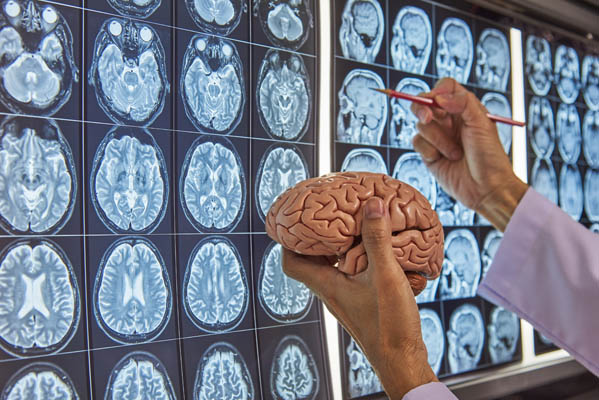
Contrary to popular opinion, neurosurgeons diagnose and treat different conditions besides those affecting the brain. Their expertise extends to disorders and diseases affecting every part of the nervous system, from spinal disorders and head trauma to chronic pain, stroke, and nerve injuries. Although neurosurgeons perform extensive and complicated surgeries, they can also provide non-surgical options. Continue reading to learn when a visit to the neurosurgeon might be necessary.
When to see a neurosurgeon
A neurosurgeon generally dedicates their time to diagnosis and developing minimally invasive yet effective treatment plans. In most cases, they only perform surgery when no other viable treatment option is available. A conservative treatment approach is generally preferred when possible.
As weird as it may sound, neurosurgeons also treat regular conditions such as back pain, pinched nerves, and epilepsy. A condition does not need to be life-threatening to warrant an appointment with the neurosurgeon. Patients experiencing the following symptoms are advised to see a surgeon as soon as possible:
Neuropathic pain
Neuropathic pain occurs due to nerve damage from a disease or injury. Diabetes is one such condition. Patients may experience sharp, burning, or shooting pain. Neuropathic pain may also occur if there damage to the brain or spinal cord. This pain may start after experiencing a stroke. Neuropathic pain cannot be treated with regular pain meds. The neurologist can examine the patient’s condition and recommend the best treatment.
Recurrent migraines
Patients experiencing recurrent and severe headaches should see a neurosurgeon. Sometimes, it could be migraine headaches, which occur regularly and persist for several hours or days. Patients may suffer throbbing pain, nausea, and sensitivity to light, strong odors, or noise. Most people with migraines rarely get proper diagnosis and treatment. The neurosurgeon can determine the migraine causes and recommend ways to avoid them. Food and stress are common triggers. The doctor may prescribe medications to prevent or stop migraines.
Brain or spinal cord injury
Falls, auto crashes, and sports injuries can damage the brain or spinal cord. Patients may exhibit different symptoms, depending on the affected area and the extent of the damage. Brain injuries can result in seizures, dizziness, loss of consciousness, coma, and amnesia. It can alter someone’s thinking, memory, and behavior.
Spinal cord injuries can lead to numbness and weakness. Patients may lose mobility below the area affected by the damage. The neurosurgeon can develop a treatment plan depending on the patient’s condition and handle the intervention process. The treatment may include surgery, medications, physical therapy, and mental health therapy.
Book an appointment with the neurosurgeon
If you are experiencing recurrent symptoms, including strange sensations, uncontrolled movements, and memory issues, you need to visit the neurosurgeon to diagnose and treat the underlying cause of the discomfort. They may conduct brain tests and imaging if required. The surgeon will work with you to choose the most suitable and effective treatment that will achieve optimal results. The sooner you discover the problem, the earlier you can get the necessary solution.
Get more information here: https://www.brainandspineni.com or call Brain and Spine Neuroscience Institute at (813) 751-2029
Check out what others are saying about our services on Google: Neurosurgeon in Palm Harbor, FL.
Related Posts
Stem cell treatment has attracted attention as researchers explore new ways to address neurological disorders that damage nerve cells, disrupt communication within the nervous system, or reduce function. Conditions such as Parkinson’s disease, multiple sclerosis, stroke, and spinal cord injuries can create lasting challenges, making emerging therapies especially interesting to patients and families. However, the…
Spinal cord tumor symptoms often develop gradually, making early recognition important for timely diagnosis and treatment. Although many cases of back or neck pain have unrelated causes, people should never ignore persistent neurological symptoms. Our neurosurgeon can carefully evaluate whether your symptoms stem from a tumor or another condition that is affecting the spinal cord…
Aftercare for herniated disc surgery can vary from patient to patient, depending on the procedure, incision, pain level, and patient participation. While rest is crucial for recovery, there are also methods and techniques a patient can complete to enhance and even speed up the recovery process. By monitoring the status of the incision site, completing…
Neurostimulation introduces a highly advanced option for those living with chronic pain or debilitating neurological symptoms that resist standard management. This innovative approach relies on gentle, controlled electrical impulses to alter the way nerves transmit distress signals to the brain. By shifting the focus toward targeted neural pathways, this method helps restore comfort and mobility…