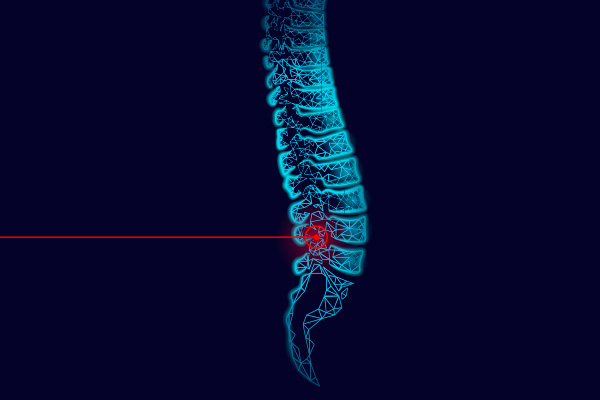
Understanding more about laser spine surgery is one of the first things that a patient needs to do if they think that they may need to undergo this type of surgical process. Lasers are an option when performing surgery on or near the spine, as lasers allow for smaller incisions, which support a faster recovery.
How laser spine surgery works
Want to find out how laser spine surgery works? Lasers use a highly-focused beam of energy to perform a number of surgical techniques, such as making initial incisions and removing tissue. Lasers give surgeons the benefit of using a precise method to treat the spinal issue. This preciseness is important when it comes to performing many different types of spine-related surgical procedures.
One goal of using this surgical method is to use a less invasive procedure, as traditional surgical spine surgery often requires cutting muscle from the spine. This requires large incisions, which can be more painful and take longer to heal. Using lasers means the surgeon can make a smaller incision and then use surgical tools to separate the muscle, allowing them to reach the correct area.
Laser spine surgery is an option
The list below includes three reasons that this minimally invasive surgical option would be recommended for a patient.
#1. When needing to remove tumors from the spinal cord
When someone is diagnosed with a spinal tumor, it means that they are living with a mass of damaged cells, also known as cancer. Tumors need to be addressed as soon as possible to stop them from growing. As tumors grow, they can destroy nearby healthy cells, as well as prevent the nerves from properly connecting to the brain. Laser surgery allows for the precision necessary to carefully remove any soft tissue and/or bone.
#2. When needing to shrink disc material around a nerve
Laser energy can be used to shrink the outer shell of a disc, as lasers are often used to provide heat to discs with a goal of making the outer shell smaller. This shrinking allows for an increase in the area immediately surrounding the problem disc, which helps release any existing buildup of pressure. This allows the disc to once again function as it is supposed to.
#3. To treat common back problems, like sciatica
Laser spine surgery can be used to treat common back-related issues, including sciatica, herniated discs, spinal stenosis and bone spurs. Patients who are diagnosed with a herniated disc, for example, may undergo one of two different laser surgical procedures: laser endoscopic discectomy and percutaneous laser discoplasty.
Got questions?
In order to find out if you are in need of laser spine surgery, making a consultation appointment is the next step.
Are you considering laser spine surgery in the Palm Harbor area? Get more information at https://www.brainandspineni.com.
Check out what others are saying about our services on Google: Read our Google Reviews.
Related Posts
Brain surgery is a complex and delicate procedure. It requires strict aftercare to ensure optimal recovery and few complications. Following the advice of your brain surgeon can help aid your healing process and make your long-term treatment a success. Here are some general tips from our doctors to help patients and their caregivers through this…
Patients who hear that they may need spinal cord surgery often feel concerned about risks, recovery, and results. While these procedures can be complex, advances in imaging, monitoring, and technique now support safer procedures and better health outcomes. To put your mind at ease before the procedure, it can help to learn the answers to…
After herniated disc surgery, proper follow-up care guides healing and reduces setbacks. Clear instructions help protect the spine, lower inflammation, and support the return to daily activities. Because herniated disc surgery addresses compressed nerves and damaged disc tissue, the recovery plan focuses on protecting the surgical area while rebuilding strength. Consistent communication with the care…
A cerebral hemorrhage occurs when a blood vessel ruptures within the brain, leading to bleeding that damages surrounding tissue. This medical emergency is a form of stroke that requires immediate attention to prevent severe complications or long-term neurological effects. By understanding the causes and risk factors for cerebral hemorrhage, you can identify if you or…