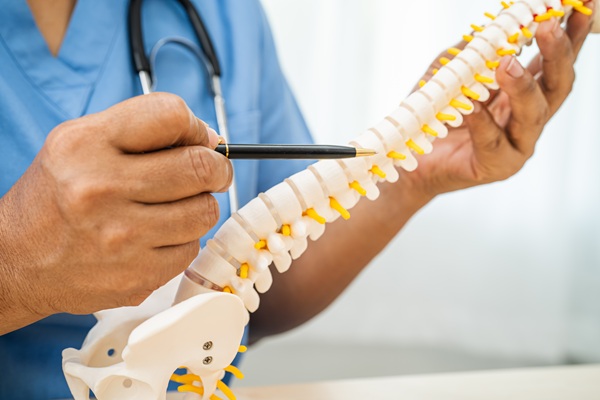
After herniated disc surgery, proper follow-up care guides healing and reduces setbacks. Clear instructions help protect the spine, lower inflammation, and support the return to daily activities. Because herniated disc surgery addresses compressed nerves and damaged disc tissue, the recovery plan focuses on protecting the surgical area while rebuilding strength. Consistent communication with the care team enables timely adjustments, helping prevent avoidable complications. Good oral and overall health habits also support the body’s repair processes during this period.
First weeks at home
Plan the home environment before discharge. Keep frequently used items at waist level to avoid twisting or bending. Use a firm chair with armrests, and switch positions every 20–30 minutes. Walk short distances several times per day, increasing duration as tolerated. Follow incision instructions exactly—keep the site clean and dry, watch for redness or drainage, and avoid soaking until cleared. Because herniated disc surgery can leave muscles deconditioned, schedule rest between light tasks to avoid fatigue. Hydration, high-fiber foods, and gentle movement help reduce constipation related to anesthesia and medication.
Movement and physical therapy
Movement protects long-term outcomes. Begin with surgeon-approved walking, then progress to a structured physical therapy program. A therapist teaches spine-neutral posture, core activation, and safe hip-hinge mechanics that reduce strain. Therapy often includes gentle nerve glides to reduce irritation and controlled strengthening to stabilize the trunk. Avoid heavy lifting, high-impact exercise, and deep bending until the team advances activity. Because herniated disc surgery aims to relieve nerve pressure, pay close attention to symptoms during new exercises; report new weakness, increasing numbness, or radiating pain.
Medications, sleep, and nutrition
Use medications exactly as prescribed. Overuse can slow progress, while inconsistent dosing can increase pain and limit mobility. Ask whether anti-inflammatories are appropriate, as some procedures restrict them early in the healing process. Sleep on the back or side with pillows that keep the spine aligned. Choose protein-rich meals with colorful produce to supply amino acids, vitamins, and minerals that support tissue repair. Keep the mouth comfortable during recovery by brushing twice daily and flossing once a day; stable oral health supports overall wellness. Because herniated disc surgery recovery can reduce appetite, plan small, nutrient-dense meals and adequate fluids.
Red flags and next steps
Know when to call the surgeon. Seek guidance for fever, worsening leg weakness, loss of bladder or bowel control, increasing numbness, wound drainage, or unrelenting pain. Keep all follow-up appointments, bring questions, and record progress. Discuss return-to-work timing, driving clearance, and specific lifting limits. Review long-term prevention strategies, including posture, core maintenance, and ergonomic adjustments at home and work. Because herniated disc surgery addresses a complex problem, a clear maintenance plan helps protect the result and supports confident movement.
Schedule your visit
Thoughtful follow-up care after herniated disc surgery, paired with smart movement, steady nutrition, and timely check-ins, helps patients recover function, reduce pain spikes, and build durable habits that protect the spine. Maintain daily oral care, manage inflammation, and communicate changes promptly to support full-body healing. For more information or to schedule an appointment, call our office.
To schedule a consultation, please request an appointment on our website at https://www.brainandspineni.com or call Brain and Spine Neuroscience Institute at (813) 751-2029 to arrange an appointment at our Palm Harbor office.
Check out what others are saying about our services on Yelp: Herniated Disc Surgery in Palm Harbor, FL.
Related Posts
A cerebral hemorrhage occurs when a blood vessel ruptures within the brain, leading to bleeding that damages surrounding tissue. This medical emergency is a form of stroke that requires immediate attention to prevent severe complications or long-term neurological effects. By understanding the causes and risk factors for cerebral hemorrhage, you can identify if you or…
A stroke treatment center acts fast when a neurological emergency strikes, delivering critical care when timing matters most. These specialized teams move quickly, utilizing advanced diagnostics, efficient procedures, and coordinated support to manage even the most complex stroke cases effectively. Through quality care, patients and their loved ones can find a clearer path to recovery…
Neurostimulation offers a targeted way to manage symptoms from certain neurological disorders by sending gentle signals to precise areas of the nervous system. With careful planning, neurostimulation can reduce tremors, limit seizures, alleviate chronic pain, and enhance daily function without requiring major incisions.Neurostimulation uses a small, implantable system or an external device to deliver controlled…
Stem cell treatment shows promise for helping with neurological disorders by repairing and regrowing damaged cells in the nervous system. This advanced therapy is still being studied for its ability to support healing at a cellular level, potentially improving the patient's quality of life and daily function. Nevertheless, with continued advancements in medical research and…