What Is Scoliosis Treatment?
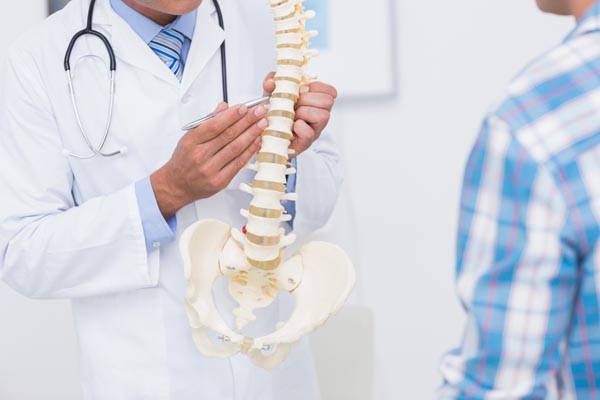
Wondering when someone is in need of scoliosis treatment? According to Healthline, scoliosis is an abnormal curvature of the spine. The extent of the curve will determine what type of treatment one needs to help them live with this disorder.
About scoliosis treatment
When it comes to scoliosis treatment, there are currently three options: observation, bracing and surgical. A patient's particular situation will determine which category they will be placed in, as a case of scoliosis can be mild, moderate or severe. Because a brain and spine neurosurgeon is a health care professional who can perform surgery, many scoliosis patients will choose this type of professional to oversee their treatment.
Ways that neurosurgeons treat scoliosis
The list below includes a few of the specific ways that a neurosurgeon can treat scoliosis.
Nonsurgical treatment option: Mild
Patients who are diagnosed with a mild case of scoliosis and are experiencing no symptoms will often be placed in the observation category. Regular medical appointments are essential to keep on top of one’s condition and includes X-rays. These allow health care professionals to see if the disorder is getting worse, staying the same or getting better.
Nonsurgical treatment option: Moderate
Moderate cases of scoliosis will often be placed in the bracing category, as many patients who are in this category are experiencing some level of discomfort or pain. The need for wearing a brace will depend on each patient’s needs, as the more progressive the curvature in the spine is, the more likely that a brace will be needed. Physical therapy may first be prescribed for patients who are not yet in need of a brace to improve the overall strength and flexibility of the spine.
Surgical treatment option: Severe
Severe cases of scoliosis often result in a patient experiencing a great deal of pain, which can result in a lower quality of life. When all other treatment options have not worked, the next treatment step is undergoing surgical treatment. Since there are different types of surgical techniques that neurosurgeons can use to perform the surgery, the process chosen is based on each patient's situation. Minimally invasive procedures are one of the surgical options available.
In need of treatment?
There are a few different ways that a neurosurgeon can treat those who have been diagnosed with scoliosis, making it necessary for scoliosis patients to undergo a thorough evaluation. The results of this evaluation will allow a neurosurgeon to make the appropriate treatment suggestions.
Are you considering scoliosis treatment in the Palm Harbor area? Get more information at https://www.brainandspineni.com.
Check out what others are saying about our services on Google: Read our Google Reviews.
Related Posts
Spinal cord tumor symptoms often develop gradually, making early recognition important for timely diagnosis and treatment. Although many cases of back or neck pain have unrelated causes, people should never ignore persistent neurological symptoms. Our neurosurgeon can carefully evaluate whether your symptoms stem from a tumor or another condition that is affecting the spinal cord…
Aftercare for herniated disc surgery can vary from patient to patient, depending on the procedure, incision, pain level, and patient participation. While rest is crucial for recovery, there are also methods and techniques a patient can complete to enhance and even speed up the recovery process. By monitoring the status of the incision site, completing…
Neurostimulation introduces a highly advanced option for those living with chronic pain or debilitating neurological symptoms that resist standard management. This innovative approach relies on gentle, controlled electrical impulses to alter the way nerves transmit distress signals to the brain. By shifting the focus toward targeted neural pathways, this method helps restore comfort and mobility…
A cerebral hemorrhage is a serious medical crisis that requires immediate medical attention. This condition involves a ruptured blood vessel that leaks into the brain. Recognizing the common signs and symptoms can make a major difference in how fast you or a loved one gets the care you need to recover from this health event.The…