What Is Scoliosis Treatment?
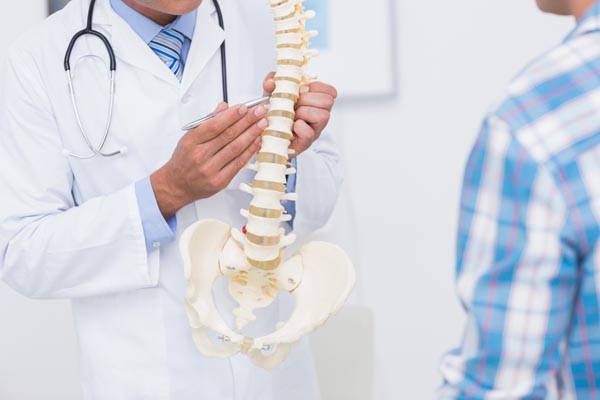
Wondering when someone is in need of scoliosis treatment? According to Healthline, scoliosis is an abnormal curvature of the spine. The extent of the curve will determine what type of treatment one needs to help them live with this disorder.
About scoliosis treatment
When it comes to scoliosis treatment, there are currently three options: observation, bracing and surgical. A patient's particular situation will determine which category they will be placed in, as a case of scoliosis can be mild, moderate or severe. Because a brain and spine neurosurgeon is a health care professional who can perform surgery, many scoliosis patients will choose this type of professional to oversee their treatment.
Ways that neurosurgeons treat scoliosis
The list below includes a few of the specific ways that a neurosurgeon can treat scoliosis.
Nonsurgical treatment option: Mild
Patients who are diagnosed with a mild case of scoliosis and are experiencing no symptoms will often be placed in the observation category. Regular medical appointments are essential to keep on top of one’s condition and includes X-rays. These allow health care professionals to see if the disorder is getting worse, staying the same or getting better.
Nonsurgical treatment option: Moderate
Moderate cases of scoliosis will often be placed in the bracing category, as many patients who are in this category are experiencing some level of discomfort or pain. The need for wearing a brace will depend on each patient’s needs, as the more progressive the curvature in the spine is, the more likely that a brace will be needed. Physical therapy may first be prescribed for patients who are not yet in need of a brace to improve the overall strength and flexibility of the spine.
Surgical treatment option: Severe
Severe cases of scoliosis often result in a patient experiencing a great deal of pain, which can result in a lower quality of life. When all other treatment options have not worked, the next treatment step is undergoing surgical treatment. Since there are different types of surgical techniques that neurosurgeons can use to perform the surgery, the process chosen is based on each patient's situation. Minimally invasive procedures are one of the surgical options available.
In need of treatment?
There are a few different ways that a neurosurgeon can treat those who have been diagnosed with scoliosis, making it necessary for scoliosis patients to undergo a thorough evaluation. The results of this evaluation will allow a neurosurgeon to make the appropriate treatment suggestions.
Are you considering scoliosis treatment in the Palm Harbor area? Get more information at https://www.brainandspineni.com.
Check out what others are saying about our services on Google: Read our Google Reviews.
Related Posts
Neurosurgery specialists provide care for a wide range of conditions that affect the brain, spine, and nervous system. While these providers are trained in surgery, being referred to one does not necessarily mean you need surgery. They offer nonsurgical approaches to managing these conditions when possible. A consultation is often the first step toward finding…
Brain surgery is a complex and delicate procedure. It requires strict aftercare to ensure optimal recovery and few complications. Following the advice of your brain surgeon can help aid your healing process and make your long-term treatment a success. Here are some general tips from our doctors to help patients and their caregivers through this…
Patients who hear that they may need spinal cord surgery often feel concerned about risks, recovery, and results. While these procedures can be complex, advances in imaging, monitoring, and technique now support safer procedures and better health outcomes. To put your mind at ease before the procedure, it can help to learn the answers to…
After herniated disc surgery, proper follow-up care guides healing and reduces setbacks. Clear instructions help protect the spine, lower inflammation, and support the return to daily activities. Because herniated disc surgery addresses compressed nerves and damaged disc tissue, the recovery plan focuses on protecting the surgical area while rebuilding strength. Consistent communication with the care…