What Happens During Spinal Reconstruction Surgery?
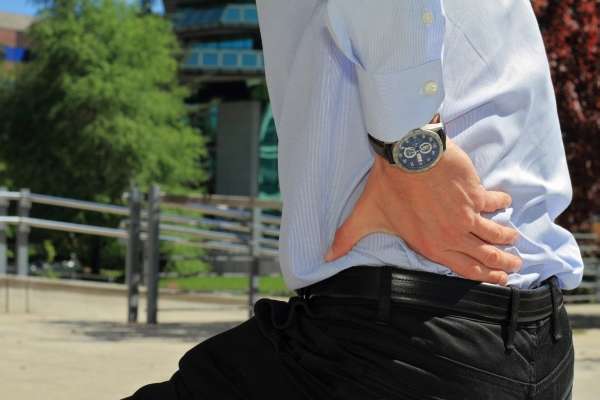
Individuals who suffer from chronic back pain or spinal abnormalities could be excellent candidates for spinal reconstruction surgery. While these types of procedures are often labeled as a last resort, there are instances where surgery is the recommended option for the patient, especially in the case of degenerative diseases and traumatic injuries.
While many physicians will recommend physical therapy, a medication plan and even injections to help manage recurring back pain, many of the underlying causes can also be remedied through surgical intervention. This is especially true if less invasive options fail to provide lasting relief or do not keep the symptoms from worsening over time. There are many relatively common conditions that could be remedied from some type of spinal reconstructive surgery.
Spinal conditions that may require surgical treatment
Most moderate to severe injuries to the back and spine can prompt spinal reconstruction to repair damage and promote healing. These include herniated discs and strained or torn ligaments surrounding the vertebrae, as well as fractures, tumors and infections of the spine. Other issues typically develop over time, although some individuals may have a genetic predisposition due to other disorders or anatomical abnormalities. Some of the most common of these conditions include:
- Scoliosis – a curving of the spine, usually to the side
- Kyphosis – a rounding of the back or "hunchback"
- Stenosis – the narrowing of the spinal canal
- Spondylolisthesis – the forward slipping of one vertebra over another
- Degenerative disk disease – the narrowing of the space between disks
Most of these conditions can lead to poor posture or chronic pain, requiring evaluation by a professional.
Types of spinal reconstructive surgery
In many instances, the more common causes of severe back pain can be remedied through minimally invasive surgical methods. These procedures involve small incisions and often utilize the process of expanding or dilating the soft tissues surrounding the spine instead of cutting through to access bones, discs and ligaments. Cushions can be inserted, pins and rods can be fastened and excess fluid or bone can be removed through MIS techniques. For tumors and other types of malformations, stereostatic radiosurgery can be utilized to destroy damaging or injured tissue without ever cutting into the skin.
Those suffering from fractures to the spine may need to undergo a kyphoplasty procedure. This involves inserting and inflating a small balloon to restore the affected vertebrae to their proper positions. A cement-like substance is injected to help keep the spinal bones in place. In some cases, a spinal fusion may be recommended to treat more serious conditions or severe pain. During this procedure, bone grafts, screws or plates are used to position the affected bones in place in order to keep them together.
Conclusion
While spinal reconstruction is not always the first choice in treating serious back conditions, it can offer significant benefits and may be the only source of much-needed relief. Although surgery often requires time for recovery, it may be necessary to relieve chronic pain that does not respond to other treatment methods. A consultation with a professional can offer insight when developing a treatment plan.
Request an appointment here: https://www.brainandspineni.com or call Brain and Spine Neuroscience Institute at (813) 751-2029 for an appointment in our Palm Harbor office.
Check out what others are saying about our services on Google: Read our Google Reviews.
Related Posts
Spinal cord tumor symptoms often develop gradually, making early recognition important for timely diagnosis and treatment. Although many cases of back or neck pain have unrelated causes, people should never ignore persistent neurological symptoms. Our neurosurgeon can carefully evaluate whether your symptoms stem from a tumor or another condition that is affecting the spinal cord…
Aftercare for herniated disc surgery can vary from patient to patient, depending on the procedure, incision, pain level, and patient participation. While rest is crucial for recovery, there are also methods and techniques a patient can complete to enhance and even speed up the recovery process. By monitoring the status of the incision site, completing…
Neurostimulation introduces a highly advanced option for those living with chronic pain or debilitating neurological symptoms that resist standard management. This innovative approach relies on gentle, controlled electrical impulses to alter the way nerves transmit distress signals to the brain. By shifting the focus toward targeted neural pathways, this method helps restore comfort and mobility…
A cerebral hemorrhage is a serious medical crisis that requires immediate medical attention. This condition involves a ruptured blood vessel that leaks into the brain. Recognizing the common signs and symptoms can make a major difference in how fast you or a loved one gets the care you need to recover from this health event.The…