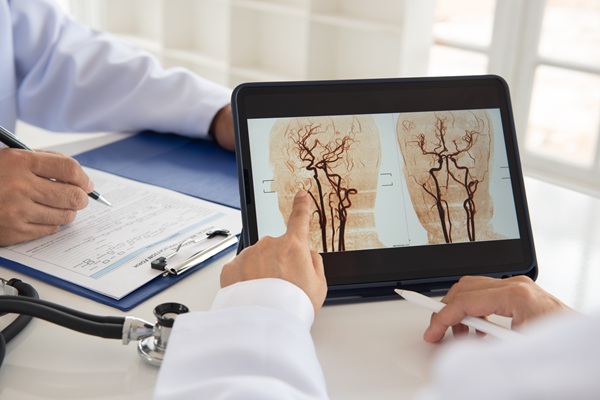
A cerebral hemorrhage occurs when a blood vessel ruptures within the brain, leading to bleeding that damages surrounding tissue. This medical emergency is a form of stroke that requires immediate attention to prevent severe complications or long-term neurological effects. By understanding the causes and risk factors for cerebral hemorrhage, you can identify if you or someone you love may be at a higher risk and take effective steps to reduce your risk of experiencing this condition.
What is a cerebral hemorrhage?
A cerebral hemorrhage, also called an intracerebral hemorrhage, happens when an artery or vein in the brain bursts, allowing blood to leak into nearby tissues. The accumulation of blood increases pressure inside the skull and restricts oxygen delivery to vital brain regions. A cerebral hemorrhage's severity and outcome depend on its location, the amount of bleeding, and how quickly treatment begins.
Common symptoms of cerebral hemorrhage include:
- Sudden, severe headache
- Weakness on one side of the body
- Nausea and vomiting
- Slurred speech or difficulty speaking
- Confusion and disorientation
- Loss of balance or coordination
- Changes in vision and consciousness
- Seizures
These symptoms indicate a life-threatening emergency. Rapid diagnosis and treatment can minimize the risk of permanent brain injury and preserve the patient's cognitive function.
Primary causes of cerebral hemorrhage
Several conditions can weaken blood vessels in the brain or increase the likelihood of rupture. High blood pressure, or hypertension, is the most common cause of cerebral hemorrhage. Over time, constant pressure on the arterial walls can make them fragile and more likely to break.
Other causes include:
- Aneurysms: Balloon-like bulges in the blood vessel walls that can burst suddenly.
- Head trauma: Injuries from falls, accidents, or sports impacts can tear vessels and cause bleeding.
- Blood vessel abnormalities: Congenital conditions such as arteriovenous malformations (AVMs) may lead to spontaneous bleeding.
- Blood disorders: Conditions affecting clotting, such as hemophilia, or the use of anticoagulant medications, can raise bleeding risk.
- Tumors: Certain brain tumors may bleed, especially if they affect nearby vessels.
Recognizing and managing these underlying causes can reduce the likelihood of developing a cerebral hemorrhage and improve outcomes for those at risk.
Risk factors that increase susceptibility
Some individuals are more prone to developing a cerebral hemorrhage due to lifestyle, family history, or preexisting health issues. Persistent high blood pressure remains the leading risk factor, but others include smoking and heavy alcohol use. A person's risk of cerebral hemorrhage also increases as they get older, as blood vessels lose elasticity and resilience.
Living a healthy lifestyle can reduce the risk of a cerebral hemorrhage. Some habits the patient can practice include keeping their blood pressure normal and avoiding tobacco. They should also eat a balanced diet and exercise regularly.
Protecting brain health through awareness
A cerebral hemorrhage is a life-threatening condition that requires immediate medical treatment. Fortunately, knowing the causes and risk factors of cerebral hemorrhage can help protect your cognitive and overall health. Do you have questions for the Brain and Spine Neuroscience Institute team?
Call our Palm Harbor office for more information on how to protect your brain health or to schedule an appointment.
Request an appointment here: https://www.brainandspineni.com or call Brain and Spine Neuroscience Institute at (813) 751-2029 for an appointment in our Palm Harbor office.
Check out what others are saying about our services on Yelp: Cerebral Hemorrhage in Palm Harbor, FL.
Related Posts
After herniated disc surgery, proper follow-up care guides healing and reduces setbacks. Clear instructions help protect the spine, lower inflammation, and support the return to daily activities. Because herniated disc surgery addresses compressed nerves and damaged disc tissue, the recovery plan focuses on protecting the surgical area while rebuilding strength. Consistent communication with the care…
A stroke treatment center acts fast when a neurological emergency strikes, delivering critical care when timing matters most. These specialized teams move quickly, utilizing advanced diagnostics, efficient procedures, and coordinated support to manage even the most complex stroke cases effectively. Through quality care, patients and their loved ones can find a clearer path to recovery…
Neurostimulation offers a targeted way to manage symptoms from certain neurological disorders by sending gentle signals to precise areas of the nervous system. With careful planning, neurostimulation can reduce tremors, limit seizures, alleviate chronic pain, and enhance daily function without requiring major incisions.Neurostimulation uses a small, implantable system or an external device to deliver controlled…
Stem cell treatment shows promise for helping with neurological disorders by repairing and regrowing damaged cells in the nervous system. This advanced therapy is still being studied for its ability to support healing at a cellular level, potentially improving the patient's quality of life and daily function. Nevertheless, with continued advancements in medical research and…