The Benefits of Neurostimulation for Neurological Disorders
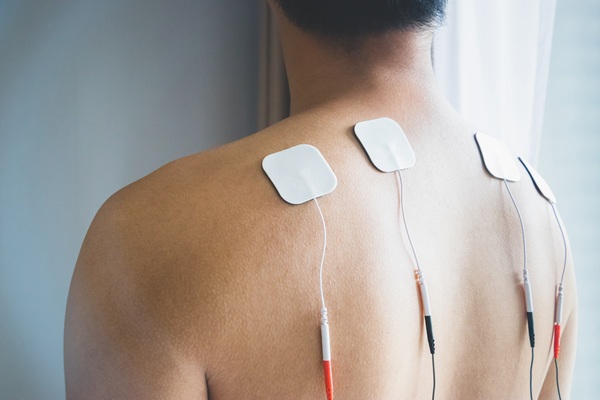
Neurostimulation offers a targeted way to manage symptoms from certain neurological disorders by sending gentle signals to precise areas of the nervous system. With careful planning, neurostimulation can reduce tremors, limit seizures, alleviate chronic pain, and enhance daily function without requiring major incisions.
What is neurostimulation?
Neurostimulation uses a small, implantable system or an external device to deliver controlled electrical impulses to nerves or brain circuits. These signals help rebalance activity that contributes to symptoms such as tremor, stiffness, seizure bursts, or nerve pain. Medtronic simplifies its abilities by stating it "outsmarts pain." A neurosurgeon and care team select the most appropriate device and settings based on each patient's diagnosis, goals, and overall health.
Neurological disorders that neurostimulation can help
Several disorders respond well to this approach when standard treatments do not provide enough relief. Movement disorders like Parkinson's disease, essential tremor, and dystonia often improve with deep-brain stimulation. Seizure disorders may benefit from vagus nerve stimulation or responsive systems that detect and interrupt abnormal activity. Certain types of neuropathic pain also respond when targeted nerves receive steady, low-level stimulation. In each case, neurostimulation aims to control symptoms while preserving normal function.
How the therapy works
The device sends brief pulses that adjust signaling in the targeted pathway. Over time, the nervous system often responds with calmer patterns, which can lead to smoother motion, fewer seizures, or less pain. Settings are programmable so that the neurosurgeon can fine-tune stimulation during follow-up visits. This flexibility allows gradual improvement while limiting side effects.
Key benefits of neurostimulation
When the treatment is a good match, neurostimulation can deliver meaningful, day-to-day gains:
- Symptom control. Fewer tremors or seizures, and less persistent nerve pain
- Function and independence. Easier walking, steadier hands, clearer speech, and more reliable sleep
- Medication support. Opportunity to simplify drug schedules or reduce doses under medical supervision
- Personalization. Adjustable settings that align with changing symptoms and activity levels
Ideal candidates for neurostimulation
Though neurostimulation is generally considered safe, all patients must undergo a candidacy process. The neurosurgeon reviews the patient's medical history, imaging, and previous treatments to confirm that neurostimulation is a suitable treatment for their diagnosis. Modern systems include safeguards, and most procedures use small incisions with careful navigation. As with any medical therapy, risks exist, such as infection or hardware-related complications, but close monitoring and follow-up can help minimize these risks. Patients with bleeding disorders, active infections, or certain cardiac devices may require alternative plans.
Life after neurostimulation
Successful therapy supports a return to normal routines. Light activity often resumes quickly, and most people return to work or school without difficulty. Regular checkups track battery life, symptom trends, and any changes in medications. Exercise, good sleep, and stress management enhance results by supporting healthy brain and nerve function. If symptoms shift over time, settings can change to match new goals.
Call us for more information
Neurostimulation offers a customizable, device-based option for certain neurological disorders when symptoms persist and remain disruptive. By calming overactive circuits and protecting function, it can improve independence, comfort, and quality of life. If you are interested in learning more about this treatment, contact Brain and Spine Neuroscience Institute for more information or to schedule a consultation..
Request an appointment here: https://www.brainandspineni.com or call Brain and Spine Neuroscience Institute at (813) 751-2029 for an appointment in our Palm Harbor office.
Check out what others are saying about our dental services on Yelp: Neurostimulation in Palm Harbor, FL.
Related Posts
After herniated disc surgery, proper follow-up care guides healing and reduces setbacks. Clear instructions help protect the spine, lower inflammation, and support the return to daily activities. Because herniated disc surgery addresses compressed nerves and damaged disc tissue, the recovery plan focuses on protecting the surgical area while rebuilding strength. Consistent communication with the care…
A cerebral hemorrhage occurs when a blood vessel ruptures within the brain, leading to bleeding that damages surrounding tissue. This medical emergency is a form of stroke that requires immediate attention to prevent severe complications or long-term neurological effects. By understanding the causes and risk factors for cerebral hemorrhage, you can identify if you or…
A stroke treatment center acts fast when a neurological emergency strikes, delivering critical care when timing matters most. These specialized teams move quickly, utilizing advanced diagnostics, efficient procedures, and coordinated support to manage even the most complex stroke cases effectively. Through quality care, patients and their loved ones can find a clearer path to recovery…
Stem cell treatment shows promise for helping with neurological disorders by repairing and regrowing damaged cells in the nervous system. This advanced therapy is still being studied for its ability to support healing at a cellular level, potentially improving the patient's quality of life and daily function. Nevertheless, with continued advancements in medical research and…