Stem Cell Treatment and Neurological Disorders
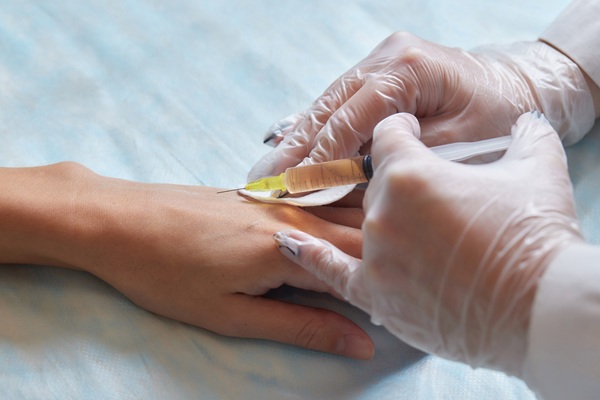
Stem cell treatment shows promise for helping with neurological disorders by repairing and regrowing damaged cells in the nervous system. This advanced therapy is still being studied for its ability to support healing at a cellular level, potentially improving the patient's quality of life and daily function. Nevertheless, with continued advancements in medical research and technology, stem cell treatment is gaining attention as a complement to other therapeutic options for neurological disorders.
What is stem cell treatment?
Stem cell treatment is a medical approach that uses the body’s most adaptable cells to promote healing and tissue regeneration. Stem cells have the unique ability to develop into specialized cell types, making them effective at replacing damaged or diseased cells. This characteristic allows them to play a role in repairing tissues that may not heal effectively on their own.
In a clinical setting, stem cells can be derived from various sources, such as bone marrow, adipose tissue, or umbilical cord blood. Once collected, these cells are processed and then delivered to the targeted area where repair is needed. For neurological disorders, the neurosurgeon’s goal is to restore damaged nerve cells, improve communication between neurons, and reduce inflammation that may contribute to the progression of the disease.
How stem cells can help manage neurological disorders
Stem cells offer potential benefits for neurological disorders by addressing the underlying damage to nerve cells and supporting the regeneration of healthy tissue. Neurological disorders often involve the progressive deterioration of cells within the brain, spinal cord, or peripheral nerves. This can result in impaired communication between the brain and the rest of the body. Weakness, loss of coordination, and cognitive changes typically result.
However, a neurosurgeon can introduce healthy stem cells into affected areas. This can replace damaged nerve cells, help protect nerve fibers, and even relieve inflammation. These regenerative effects could help slow disease progression and, in some cases, restore lost function.
Another important advantage of stem cell therapy is its potential to work well in conjunction with other treatments. Physical therapy, medication, and neurosurgery can be more effective when combined with stem cell treatment, as they also address the root cause of cellular damage.
Who is a good candidate?
Whether a patient is a good candidate for stem cell treatment depends on the type and stage of the neurological disorder. Age, medical history, and the presence of other health conditions can also influence candidacy. Patients must be healthy enough to undergo any necessary procedures for stem cell collection and delivery.
It is also important to have realistic expectations. While stem cell therapy holds significant potential, it is not a guaranteed cure with varying results. For many individuals, the goal is to slow disease progression, improve quality of life, and maintain as much independence as possible.
Consult a neurosurgeon in Palm Harbor
Consulting with a neurosurgeon is the first step for anyone considering stem cell treatment for a neurological disorder. These medical providers have specialized training in the diagnosis and management of conditions affecting the brain, spinal cord, and nervous system. During an appointment, they can discuss whether stem cell therapy is a good fit for the patient. Contact Brain and Spine Neuroscience Institute to schedule an appointment with our team today.
Request an appointment here: https://www.brainandspineni.com or call Brain and Spine Neuroscience Institute at (813) 751-2029 for an appointment in our Palm Harbor office.
Check out what others are saying about our services on Yelp: Stem Cell Treatment in Palm Harbor, FL.
Related Posts
After herniated disc surgery, proper follow-up care guides healing and reduces setbacks. Clear instructions help protect the spine, lower inflammation, and support the return to daily activities. Because herniated disc surgery addresses compressed nerves and damaged disc tissue, the recovery plan focuses on protecting the surgical area while rebuilding strength. Consistent communication with the care…
A cerebral hemorrhage occurs when a blood vessel ruptures within the brain, leading to bleeding that damages surrounding tissue. This medical emergency is a form of stroke that requires immediate attention to prevent severe complications or long-term neurological effects. By understanding the causes and risk factors for cerebral hemorrhage, you can identify if you or…
A stroke treatment center acts fast when a neurological emergency strikes, delivering critical care when timing matters most. These specialized teams move quickly, utilizing advanced diagnostics, efficient procedures, and coordinated support to manage even the most complex stroke cases effectively. Through quality care, patients and their loved ones can find a clearer path to recovery…
Neurostimulation offers a targeted way to manage symptoms from certain neurological disorders by sending gentle signals to precise areas of the nervous system. With careful planning, neurostimulation can reduce tremors, limit seizures, alleviate chronic pain, and enhance daily function without requiring major incisions.Neurostimulation uses a small, implantable system or an external device to deliver controlled…