Spine Tumor Treatment From a Neurosurgeon
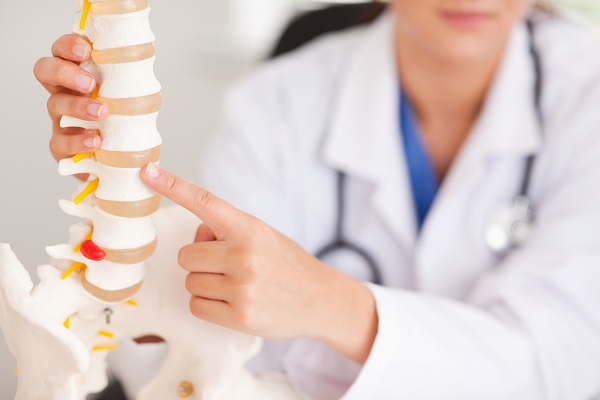
Looking for more information regarding spine tumor treatment? A spinal tumor is a common type of spinal disease that one can be diagnosed with, making it essential for patients to find an experienced neurosurgeon to remove it. Since tumors are among the more complex spinal diseases, medical care needs to be sought as soon as possible.
Neurosurgeons treat spine tumors
Understanding that neurosurgeons can offer spine tumor treatment is the first thing patients need to know when looking into their options. A neurosurgeon is a health care professional who has undergone the dedicated education and training necessary to care for brain and spine issues. This means they are the go-to medical professional for patients who have been diagnosed with a tumor on their spine, no matter how the tumor is attached, e.g., via nerve roots, spinal cord lining, etc.
Options for treating spine tumors
The type of spinal tumor treatment that one will need ultimately depends on each patient's unique situation. Sometimes, additional medical professionals are necessary to offer the right type of treatment for a patient, which means that some patients not only will be under the care of a neurosurgeon but also that of a pathologist, oncologist and/or radiologist. Below is a list that explains three different treatments for spinal tumors.
#1. Observation
Patients who are diagnosed with a spinal tumor and are currently experiencing few, if any, symptoms, will often be placed into the observation category. A spinal tumor patient must often undergo regular MRIs, as this allows medical professionals to keep a close eye on the tumor to see if it changes or progresses. If or when any differences are noticed through the observation process, the patient may need to undergo the next stage of treatment, which is therapy treatment.
#2. Chemotherapy and radiation therapy
When a medical professional deems it necessary to treat a spinal tumor, they will either choose to treat the tumor using chemotherapy or radiation therapy. The patient's particular situation will determine which option is the better one. The professional will explain why it is the ideal option and what they can expect while undergoing therapy treatment. If a tumor does not respond to therapy, the next treatment option surgically removes the tumor.
#3. Surgery
Surgery is the last option and is necessary when all other treatment options have not proven to be sufficient. The type of surgical process that will be performed depends on a few different factors, including the location of the tumor, the size of the tumor, the stage of the tumor and whether the patient is experiencing any bladder or bowel dysfunctions. Advanced surgical techniques may include the following procedures: decompression, embolization, vertebroplasty, radiosurgery and spinal stabilization.
In need of treatment?
In need of spine tumor treatment and wondering what the next step is? A neurosurgeon has been trained in treating spine problems, making them a first-choice doctor for those living with spinal-related problems, including tumors.
Request an appointment here: https://www.brainandspineni.com or call Brain and Spine Neuroscience Institute at (813) 751-2029 for an appointment in our Palm Harbor office.
Check out what others are saying about our services on Google: Read our Google Reviews.
Related Posts
Spinal cord tumor symptoms often develop gradually, making early recognition important for timely diagnosis and treatment. Although many cases of back or neck pain have unrelated causes, people should never ignore persistent neurological symptoms. Our neurosurgeon can carefully evaluate whether your symptoms stem from a tumor or another condition that is affecting the spinal cord…
Aftercare for herniated disc surgery can vary from patient to patient, depending on the procedure, incision, pain level, and patient participation. While rest is crucial for recovery, there are also methods and techniques a patient can complete to enhance and even speed up the recovery process. By monitoring the status of the incision site, completing…
Neurostimulation introduces a highly advanced option for those living with chronic pain or debilitating neurological symptoms that resist standard management. This innovative approach relies on gentle, controlled electrical impulses to alter the way nerves transmit distress signals to the brain. By shifting the focus toward targeted neural pathways, this method helps restore comfort and mobility…
A cerebral hemorrhage is a serious medical crisis that requires immediate medical attention. This condition involves a ruptured blood vessel that leaks into the brain. Recognizing the common signs and symptoms can make a major difference in how fast you or a loved one gets the care you need to recover from this health event.The…