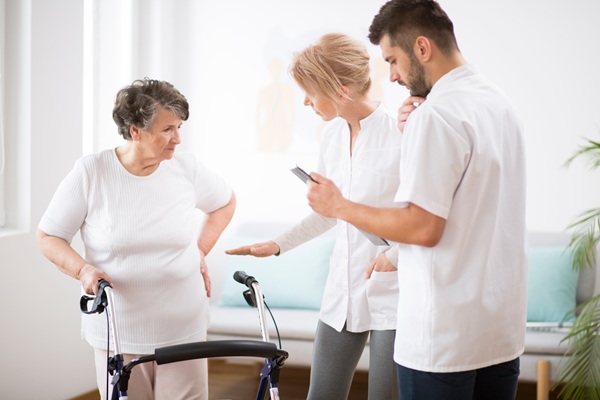
A stroke treatment center acts fast when a neurological emergency strikes, delivering critical care when timing matters most. These specialized teams move quickly, utilizing advanced diagnostics, efficient procedures, and coordinated support to manage even the most complex stroke cases effectively. Through quality care, patients and their loved ones can find a clearer path to recovery and better health outcomes.
Stroke treatment centers provide rapid response in emergency stroke care
Every second matters when responding to a stroke. A stroke treatment center is equipped to deliver immediate evaluation through coordinated stroke alert systems. Upon arrival, imaging technologies — such as computed tomography (CT) scans or magnetic resonance imaging (MRI) — help identify whether the event is a result of a blood clot (ischemic) or a ruptured vessel (hemorrhagic). This distinction influences the treatment timeline and determines whether medications or surgical intervention are necessary.
What does a neurosurgeon do at a stroke treatment center?
A neurosurgeon plays an important role on the stroke response team. They decide whether critical cases require interventional or surgical options and help them move quickly in either direction. From intracranial bleeding to large vessel occlusions, these cases require fast, decisive action and precision. Fortunately, stroke treatment centers have the necessary tools to meet these needs, making them ideal for handling complex neurological emergencies.
Other reasons to choose a stroke treatment center
Not all hospitals are equipped to function as comprehensive stroke treatment centers. These facilities undergo thorough review to ensure they meet benchmarks for rapid response times, specialized staff training, surgical readiness, and coordinated rehabilitation services.
Stroke treatment centers are also outfitted with state-of-the-art equipment that supports accurate diagnostics and minimally invasive procedures. For example, mechanical thrombectomy enables the physical removal of clots from large vessels and can significantly reduce disability when performed within a critical window. Note that a neurosurgeon often guides this procedure, as they have training in advanced techniques.
These centers can also deliver more complex care for hemorrhagic stroke or brain swelling, like decompressive craniectomy or aneurysm clipping. Moreover, throughout recovery, stroke treatment centers continuously monitor brain perfusion and oxygen levels to guide treatment and support healing. With access to real-time imaging, peer collaboration, and dedicated neuromonitoring, neurosurgeons at these centers can make rapid, informed decisions that make for a faster recovery.
Support for rehabilitation and long-term outcomes
The path to recovery after a stroke varies from one patient to the next. Stroke treatment centers integrate rehabilitation planning into the early stages of care. Physical therapy, speech therapy, and occupational therapy often begin before a patient is discharged. This approach helps patients regain skills and confidence early on, while the brain continues to heal.
Family education and outpatient follow-up are also central to long-term care. Stroke treatment centers prepare patients and their support systems with tools to manage medications, recognize warning signs, and maintain lifestyle changes that reduce the risk of recurrence. Thus, patients and their loved ones can feel more empowered and prepared for life after a stroke.
Get quality care at every stage of treatment
A stroke treatment center provides the tools, personnel, and environment necessary to deliver precise and compassionate care at every stage. From emergency response through rehabilitation, these centers are staffed by a multidisciplinary team that helps support a more complete recovery. Contact our Palm Harbor team today for more information or to schedule an appointment.
Request an appointment here: https://www.brainandspineni.com or call Brain and Spine Neuroscience Institute at (813) 751-2029 for an appointment in our Palm Harbor office.
Check out what others are saying about our services on Yelp: Stroke Treatment Center in Palm Harbor, FL.
Related Posts
After herniated disc surgery, proper follow-up care guides healing and reduces setbacks. Clear instructions help protect the spine, lower inflammation, and support the return to daily activities. Because herniated disc surgery addresses compressed nerves and damaged disc tissue, the recovery plan focuses on protecting the surgical area while rebuilding strength. Consistent communication with the care…
A cerebral hemorrhage occurs when a blood vessel ruptures within the brain, leading to bleeding that damages surrounding tissue. This medical emergency is a form of stroke that requires immediate attention to prevent severe complications or long-term neurological effects. By understanding the causes and risk factors for cerebral hemorrhage, you can identify if you or…
Neurostimulation offers a targeted way to manage symptoms from certain neurological disorders by sending gentle signals to precise areas of the nervous system. With careful planning, neurostimulation can reduce tremors, limit seizures, alleviate chronic pain, and enhance daily function without requiring major incisions.Neurostimulation uses a small, implantable system or an external device to deliver controlled…
Stem cell treatment shows promise for helping with neurological disorders by repairing and regrowing damaged cells in the nervous system. This advanced therapy is still being studied for its ability to support healing at a cellular level, potentially improving the patient's quality of life and daily function. Nevertheless, with continued advancements in medical research and…