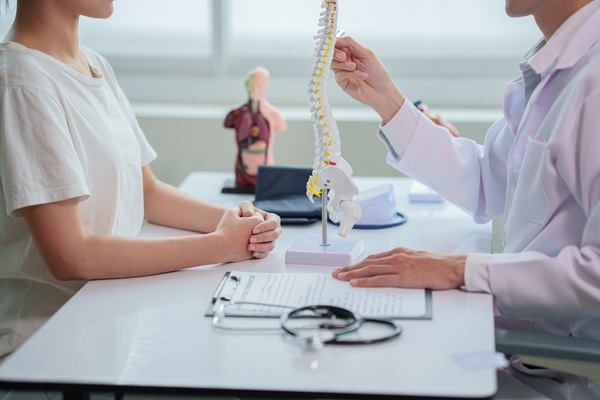
When spinal cord compression interferes with mobility, sensation, or organ function, spinal cord surgery may offer relief and prevent further neurological decline. However, any intervention involving the central nervous system requires careful planning and informed decision-making. Understanding the pros and cons helps patients and families navigate this important choice with greater clarity.
Benefits of spinal cord surgery
The primary goal of spinal cord surgery is to relieve pressure on the spinal cord or nerves, restore stability, and improve quality of life. For many patients, the results can be life-changing. When performed by a trained neurosurgeon, the procedure can significantly reduce pain, improve function, and halt the progression of certain disorders. Key advantages of spinal cord surgery may include:
- Symptom relief. Surgery can alleviate pain, numbness, weakness, and other neurologic symptoms caused by disc herniation, spinal stenosis, or tumors.
- Improved mobility and function. Restoring alignment and relieving pressure can allow patients to walk more easily and resume normal daily activities.
- Prevention of permanent damage. In cases of spinal cord injury or progressive disease, surgery may help preserve nerve function and prevent paralysis.
Minimally invasive surgical techniques have advanced significantly in recent years, enabling smaller incisions, shorter recovery times, and fewer complications in select cases. With proper patient selection and rehabilitation, outcomes can be both effective and long-lasting.
Risks and considerations
Despite the potential benefits, spinal cord surgery is a major procedure and should not be taken lightly. Every surgical approach carries inherent risks, and the complexity of the spinal cord adds to the challenge. The decision to proceed should always weigh the severity of symptoms against the potential for complications. Common concerns and risks to ask a neurosurgeon about include:
- Infection or bleeding. As with any surgery, there is a risk of infection, bleeding, or adverse reactions to anesthesia.
- Nerve damage. Operating near the spinal cord carries a risk of accidental injury, which could lead to numbness, weakness, or, in rare cases, paralysis.
- Incomplete relief of symptoms. While many patients experience improvement, others may continue to have discomfort or develop new symptoms after surgery.
Additional considerations include recovery time, physical therapy requirements, and the potential need for future surgeries. Some procedures may involve spinal fusion or the placement of implants, which could affect long-term flexibility or result in adjacent segment degeneration.
Conditions treated with spinal cord surgery
Spinal cord surgery is not used for every spinal condition. It is typically reserved for patients who have not responded to medication, injections, or physical therapy and who present with imaging findings that correlate with symptoms. Common conditions that may require surgical treatment include spinal cord tumors, herniated discs with cord compression, spinal stenosis, traumatic spinal injuries, and degenerative disc disease with neurological involvement.
Each diagnosis requires a customized surgical plan. Some procedures focus on decompressing the spinal cord, while others involve realigning or stabilizing the spine with rods, screws, or bone grafts.
Balancing risks and rewards in spinal cord surgery
Spinal cord surgery offers the potential for meaningful relief and functional improvement in the right candidates. While it carries certain risks, careful evaluation, expert surgical technique, and ongoing support can help ensure the best possible outcome. When symptoms interfere with quality of life and conservative options are no longer effective, spinal cord surgery may provide a path toward long-term recovery and renewed independence. For more information or to schedule a consultation with a neurosurgeon, call Brain and Spine Neuroscience Institute at (813) 751-2029.
To schedule a consultation, please request an appointment on our website at https://www.brainandspineni.com or call Brain and Spine Neuroscience Institute at (813) 751-2029 to arrange an appointment at our Palm Harbor office.
Check out what others are saying about our services on Yelp: Spinal Cord Surgery in Palm Harbor, FL.
Related Posts
Stem cell treatment has attracted attention as researchers explore new ways to address neurological disorders that damage nerve cells, disrupt communication within the nervous system, or reduce function. Conditions such as Parkinson’s disease, multiple sclerosis, stroke, and spinal cord injuries can create lasting challenges, making emerging therapies especially interesting to patients and families. However, the…
Spinal cord tumor symptoms often develop gradually, making early recognition important for timely diagnosis and treatment. Although many cases of back or neck pain have unrelated causes, people should never ignore persistent neurological symptoms. Our neurosurgeon can carefully evaluate whether your symptoms stem from a tumor or another condition that is affecting the spinal cord…
Aftercare for herniated disc surgery can vary from patient to patient, depending on the procedure, incision, pain level, and patient participation. While rest is crucial for recovery, there are also methods and techniques a patient can complete to enhance and even speed up the recovery process. By monitoring the status of the incision site, completing…
Neurostimulation introduces a highly advanced option for those living with chronic pain or debilitating neurological symptoms that resist standard management. This innovative approach relies on gentle, controlled electrical impulses to alter the way nerves transmit distress signals to the brain. By shifting the focus toward targeted neural pathways, this method helps restore comfort and mobility…