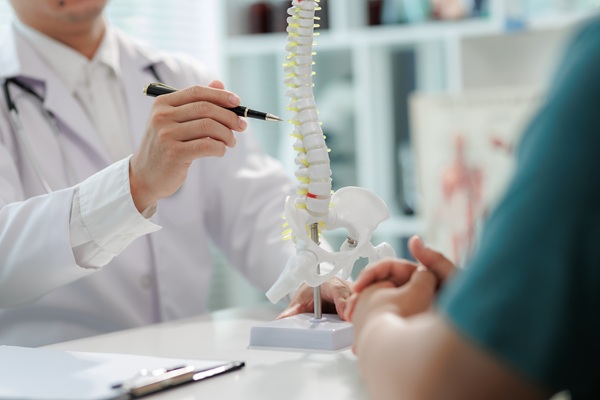
Spine tumor treatment begins with a highly detailed map of the back, as the spinal column protects the main pathway for every signal the brain sends to the body. A neurosurgeon who ensures every procedure remains as accurate as possible while keeping the patient safe. Every step of the process focuses on relieving pain and protecting the natural function of the spine. Here is everything you need to know about how a neurosurgeon plans a safe and effective spine tumor treatment plan.
Spine tumor treatment offers precision through advanced imaging
The planning phase uses high-quality scans to show the exact size and location of the tumor in relation to the surrounding anatomy. These images help the neurosurgeon see exactly how the growth sits near the spinal cord and the bones of the back. By understanding these tiny details, they decide whether the most effective path is surgical or non-surgical.
Additionally, modern techniques allow for a much more targeted approach than traditional methods. Many neurosurgeons use navigation tools that act like a GPS for the spine to guide every move during the procedure. This technology enables them to access the tumor through smaller incisions, often resulting in a faster, more comfortable recovery for the patient.
Spine tumor treatment aims to balance strength and nerve protection
Keep in mind that removing a tumor is only part of the goal. The back must also stay strong enough to support the weight of the body. If the growth weakens the bone, the neurosurgeon plans for ways to stabilize the area using specialized hardware or grafts. This part of spine tumor treatment ensures that the patient can return to normal activities without worrying about the structural strength of the back.
Every patient brings a different health history and set of goals to the consultation. A custom plan allows the neurosurgeon to address specific symptoms, such as weakness or numbness, rather than using a one-size-fits-all approach. This personalized care is especially important when the goal is to protect the delicate nerves that control daily movement and coordination. Focusing on the unique needs of each patient allows the neurosurgeon to provide a much clearer path toward long-term health and confidence.
Spine tumor treatment offers a guided path to recovery
Safe and accurate spine tumor treatment depends on a mix of advanced tools, expert skill, and a focus on the well-being of the patient. This detailed strategy gives people more confidence as they move through the recovery process and return to their routines. When the plan prioritizes both the removal of the growth and the protection of the nerves, the results lead to better mobility and less pain. Every tailored step ensures that the final outcome aligns with the health and lifestyle goals of the individual.
Effective care also involves a commitment to monitoring progress long after the initial procedure is complete. Regular follow-up visits allow the neurosurgeon to check on the stability of the spine and the health of the surrounding nerves. This ongoing support after active spine tumor treatment ensures that any small changes are caught early and that the patient feels supported throughout their entire journey.
Schedule a consultation
Our neurosurgeon aims to take the stress out of an already daunting situation. Depending on the complexity of your case, we can perform a minimally invasive spine tumor treatment to get you back on track and come up with a plan to help you stay there. For more information or to schedule a consultation, contact us today.
Request an appointment here: https://www.brainandspineni.com or call Brain and Spine Neuroscience Institute at (813) 751-2029 for an appointment in our Palm Harbor office.
Check out what others are saying about our services on Yelp: Read our Yelp reviews.
Related Posts
Spinal cord tumor symptoms often develop gradually, making early recognition important for timely diagnosis and treatment. Although many cases of back or neck pain have unrelated causes, people should never ignore persistent neurological symptoms. Our neurosurgeon can carefully evaluate whether your symptoms stem from a tumor or another condition that is affecting the spinal cord…
Aftercare for herniated disc surgery can vary from patient to patient, depending on the procedure, incision, pain level, and patient participation. While rest is crucial for recovery, there are also methods and techniques a patient can complete to enhance and even speed up the recovery process. By monitoring the status of the incision site, completing…
Neurostimulation introduces a highly advanced option for those living with chronic pain or debilitating neurological symptoms that resist standard management. This innovative approach relies on gentle, controlled electrical impulses to alter the way nerves transmit distress signals to the brain. By shifting the focus toward targeted neural pathways, this method helps restore comfort and mobility…
A cerebral hemorrhage is a serious medical crisis that requires immediate medical attention. This condition involves a ruptured blood vessel that leaks into the brain. Recognizing the common signs and symptoms can make a major difference in how fast you or a loved one gets the care you need to recover from this health event.The…