How Is Brain Tumor Treatment Performed?
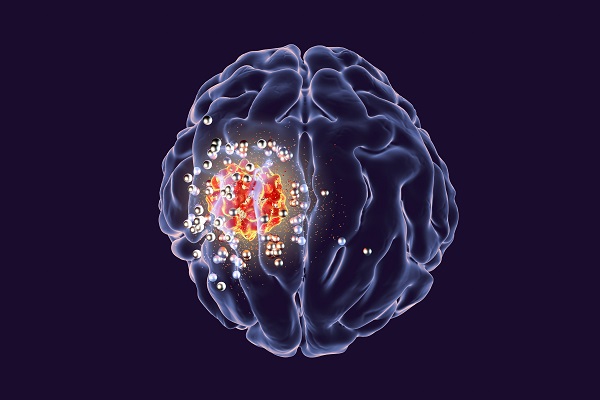
Brain tumor treatment depends on different factors, including the location, type and size of the tumor, as well as the age and general health of the patient. The treatment schedules and methods provided by the neurosurgeon differ for children and adults. Brain tumors are typically treated with surgery, chemotherapy and radiation therapy. Continue reading to find out how the treatments work.
Brain tumor treatment
Multiple methods may be used, depending on the patient’s requirements. Before treatment commences, most patients receive steroids, drugs that alleviate swelling or edema. Anticonvulsant medicine may also be administered to prevent or manage seizures.
Surgery
Surgery is usually the treatment approach to most cases of brain tumors. To take out a brain tumor, a neurosurgeon will create an opening in the skull, a process called a craniotomy. If possible, the surgeon will try to remove the complete tumor. If complete removal of the tumor is not feasible without causing harm to important brain tissue, the doctor may remove as much of the tumor as allowed. Partial removal will help alleviate symptoms by lowering pressure on the brain and minimize the portion of the tumor that will be treated using chemotherapy or radiation therapy.
It is not possible to remove some tumors. In such cases, the surgeon may perform a biopsy only. They’ll remove a small portion of the tumor for examination by a pathologist. This will help ascertain the type of cells contained there and decide the treatment approach.
Sometimes, the biopsy is performed using a needle. The neurosurgeon will use a special head frame (such as a halo) and CT scans or MRI to determine the precise position of the tumor. The surgeon makes a little hole in the skull, then directs a needle to the tumor. The method of biopsy or treatment is known as stereotaxis.
Other advanced techniques used during surgery are brain mapping to discover functional pathways close to the tumors, endoscopy for biopsies and open spinal fluid channels via a small scope and advanced frameless stereotaxic computer-aided tumor resections. Intraoperative MRI can also be used to aid maximum tumor removal.
Radiation therapy
Also called radiotherapy, this is the use of high-powered rays to destroy cancer cells and prevent their growth. It is used to damage tumor tissues that are hard to remove through surgery or to kill the remaining cancer cells following surgery. Radiation therapy is also used when surgery is not an option.
Chemotherapy
Chemotherapy is the application of drugs to eliminate cancer cells. One drug or a combination may be used, often orally or through injection into the muscle or blood vessel. Intrathecal chemotherapy entails drug injection into the cerebrospinal fluid.
A final point to consider
If there is hydrocephalus, patients might require a shunt to drain cerebrospinal fluid as part of the brain tumor treatment process. A shunt is a long, narrow tube inserted into a brain ventricle and threaded beneath the skin to another area of the body, usually the abdomen. It functions like a drainpipe, and the surplus fluid is removed from the rain and absorbed in the abdomen. Sometimes, the fluid is drained to the heart.
Request an appointment here: https://www.brainandspineni.com or call Brain and Spine Neuroscience Institute at (813) 751-2029 for an appointment in our Palm Harbor office.
Check out what others are saying about our services on Google: Read our Google Reviews.
Related Posts
Aftercare for herniated disc surgery can vary from patient to patient, depending on the procedure, incision, pain level, and patient participation. While rest is crucial for recovery, there are also methods and techniques a patient can complete to enhance and even speed up the recovery process. By monitoring the status of the incision site, completing…
Neurostimulation introduces a highly advanced option for those living with chronic pain or debilitating neurological symptoms that resist standard management. This innovative approach relies on gentle, controlled electrical impulses to alter the way nerves transmit distress signals to the brain. By shifting the focus toward targeted neural pathways, this method helps restore comfort and mobility…
A cerebral hemorrhage is a serious medical crisis that requires immediate medical attention. This condition involves a ruptured blood vessel that leaks into the brain. Recognizing the common signs and symptoms can make a major difference in how fast you or a loved one gets the care you need to recover from this health event.The…
Spine tumor treatment begins with a highly detailed map of the back, as the spinal column protects the main pathway for every signal the brain sends to the body. A neurosurgeon who ensures every procedure remains as accurate as possible while keeping the patient safe. Every step of the process focuses on relieving pain and…