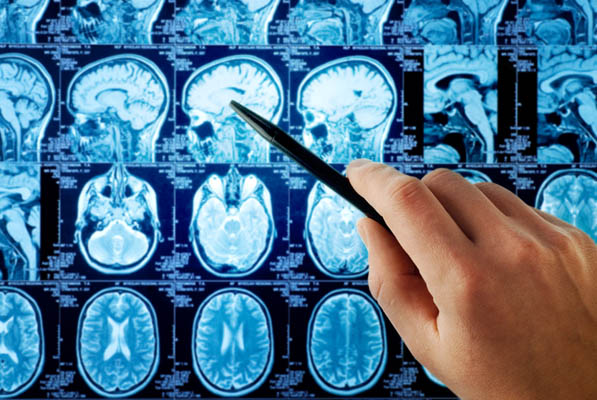
Brain tumors are not a condition that is easy to deal with. In fact, there is a lot that goes into diagnosing and treating a brain tumor. Thankfully, brain surgeons dedicate their days to monitoring and treating them so that good health can be obtained. Of course, there are different kinds of brain tumors varying in size and severity. These two factors play a large role in what type of treatment will be administered. Continue reading to get a better idea of what treatment may look like.
Brain tumor treatment
Outlined below are a few ways that brain tumors are treated by a surgeon. This information can be helpful to review when dealing with brain-related conditions or injuries.
Chemotherapy
A common way that brain surgeons will treat a tumor is by administering chemotherapy, which simply refers to medications. In regards to brain tumors, chemotherapy is typically handled by a medical professional injecting the medications directly into the cerebrospinal fluid.
Typically, chemotherapy is done in waves, as opposed to all at once. These cycles are recommended by the brain surgeon because chemotherapy can be rough on the body. Chemotherapy appointments are usually done in the hospital so that the brain surgeon can monitor the patient.
Craniotomy
Most brain surgeons prefer to treat a brain tumor by performing a craniotomy, which is a surgical procedure that involves the removal of the tumor. The goal of a craniotomy is to completely remove the tumor without damaging nearby parts of the brain, if possible. However, this can be difficult depending on the size and location. If the entire brain tumor cannot be removed during the craniotomy, the surgeon will remove part of it, which can help relieve any symptoms.
A craniotomy will also require patients to rest and heal for a significant period of time afterward. It is key to have support to ensure proper healing over time. Additionally, the brain surgeon will require follow-up appointments to ensure that the brain is in good shape after surgery.
Radiation
Another way that brain tumors are treated is via radiation, which is the use of high-powered rays to destroy cancerous cells or any left behind tissue that still has tumor remnants in it. Radiation is typically used for extremely small tumors that may not be accessible via surgery or after a craniotomy to get rid of anything left behind.
There are two types of radiation administration for brain tumors. The most common is via external radiation that comes from a machine. The second type is via an implant, which is radioactive material that is placed directly on the brain.
Talk to a brain surgeon
When suffering from any problems relating to the brain, especially tumors, the best thing to do is consult with a surgeon. Brain tumors require intense monitoring to ensure that they do not spread or grow in size. This means that it is necessary to see a brain surgeon on a regular basis. To find out more about treatment options or get scheduled, reach out today for an appointment.
Request an appointment here: https://www.brainandspineni.com or call Brain and Spine Neuroscience Institute at (813) 751-2029 for an appointment in our Palm Harbor office.
Check out what others are saying about our services on Yelp: Brain Tumor in Palm Harbor, FL.
Related Posts
Brain surgery is a complex and delicate procedure. It requires strict aftercare to ensure optimal recovery and few complications. Following the advice of your brain surgeon can help aid your healing process and make your long-term treatment a success. Here are some general tips from our doctors to help patients and their caregivers through this…
Patients who hear that they may need spinal cord surgery often feel concerned about risks, recovery, and results. While these procedures can be complex, advances in imaging, monitoring, and technique now support safer procedures and better health outcomes. To put your mind at ease before the procedure, it can help to learn the answers to…
After herniated disc surgery, proper follow-up care guides healing and reduces setbacks. Clear instructions help protect the spine, lower inflammation, and support the return to daily activities. Because herniated disc surgery addresses compressed nerves and damaged disc tissue, the recovery plan focuses on protecting the surgical area while rebuilding strength. Consistent communication with the care…
A cerebral hemorrhage occurs when a blood vessel ruptures within the brain, leading to bleeding that damages surrounding tissue. This medical emergency is a form of stroke that requires immediate attention to prevent severe complications or long-term neurological effects. By understanding the causes and risk factors for cerebral hemorrhage, you can identify if you or…