How a Brain Tumor Is Commonly Treated
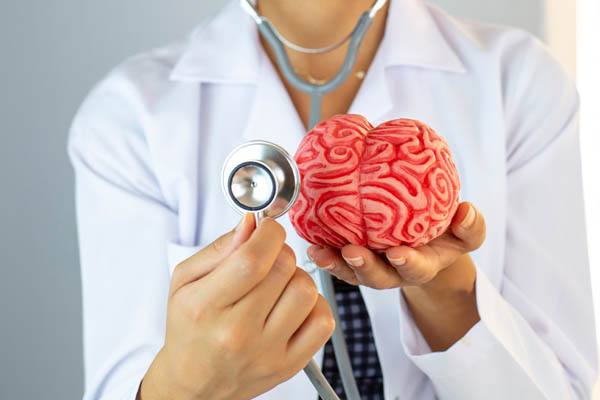
Brain tumors are not enjoyable, and they often strike fear in individuals when diagnosed. However, modern-day medicine has allowed for a lot of ways to treat and tackle tumors so that returning to optimal health is possible. Most commonly, brain tumors are treated by a brain surgeon. In some cases, the help of a neurologist may also be utilized.
As far as the work that a brain surgeon does, it is most common that a craniotomy will be part of the treatment plan. In addition, it may also be recommended to undergo radiation or chemotherapy. Continue reading to learn more about what may be involved.
Brain tumor treatment options
Outlined below are a few ways that a brain surgeon may choose to treat a tumor. This information may be helpful to review when doing research on what to expect.
Surgery
For moderate to severe brain tumors, it is usually recommended to undergo surgery. Brain surgeons most commonly perform craniotomies. During this procedure, a small opening is made in the skull so that the brain is accessible. Once accessed, the brain surgeon will carefully remove the tumor as best as they can.
Of course, it is not always possible to remove the entire tumor without damaging tissues or other surrounding brain matter. In this case, another procedure may be required or other forms of treatment may also need to be explored. For example, radiation or chemotherapy may have to be done.
Radiation
Another option for treating a brain tumor is radiation, which may be done for low-level tumors or after surgery is performed. The use of high-powered rays is used to destroy any existing cancer cells. Radiation also puts a halt to any cancer cells that may be growing or trying to spread.
After a craniotomy, brain surgeons often recommend radiation in order to rid the area of anything that is left behind. Radiation may be administered externally via machine or by having radioactive metal placed on or near the tumor.
Chemotherapy
This method of treatment is done in cycles. Brain surgeons often recommend chemotherapy for low-level tumors. During a chemotherapy session, a cancer-killing drug will be fed intravenously into the patient. In other cases, chemotherapy for brain tumors may refer to the simple administration of oral medication. Typically, there is a recovery period after a chemotherapy cycle because it can be hard on the body.
Talk to a brain surgeon
When suffering from a brain tumor of any size, the most ideal thing to do is consult with a professional. Tumors can be scary, which is why working closely with a brain surgeon is a good idea. Any questions, concerns, or fears can be appropriately addressed. Additionally, a full evaluation can be performed in order to determine the most suitable form of treatment, whether that be surgery, radiation, chemotherapy, or a combination. To find out more about treatment options or to get scheduled for a consultation appointment, reach out today.
Request an appointment here: https://www.brainandspineni.com or call Brain and Spine Neuroscience Institute at (813) 751-2029 for an appointment in our Palm Harbor office.
Check out what others are saying about our services on Yelp: Brain Tumor in Palm Harbor, FL.
Related Posts
Spinal cord tumor symptoms often develop gradually, making early recognition important for timely diagnosis and treatment. Although many cases of back or neck pain have unrelated causes, people should never ignore persistent neurological symptoms. Our neurosurgeon can carefully evaluate whether your symptoms stem from a tumor or another condition that is affecting the spinal cord…
Aftercare for herniated disc surgery can vary from patient to patient, depending on the procedure, incision, pain level, and patient participation. While rest is crucial for recovery, there are also methods and techniques a patient can complete to enhance and even speed up the recovery process. By monitoring the status of the incision site, completing…
Neurostimulation introduces a highly advanced option for those living with chronic pain or debilitating neurological symptoms that resist standard management. This innovative approach relies on gentle, controlled electrical impulses to alter the way nerves transmit distress signals to the brain. By shifting the focus toward targeted neural pathways, this method helps restore comfort and mobility…
A cerebral hemorrhage is a serious medical crisis that requires immediate medical attention. This condition involves a ruptured blood vessel that leaks into the brain. Recognizing the common signs and symptoms can make a major difference in how fast you or a loved one gets the care you need to recover from this health event.The…