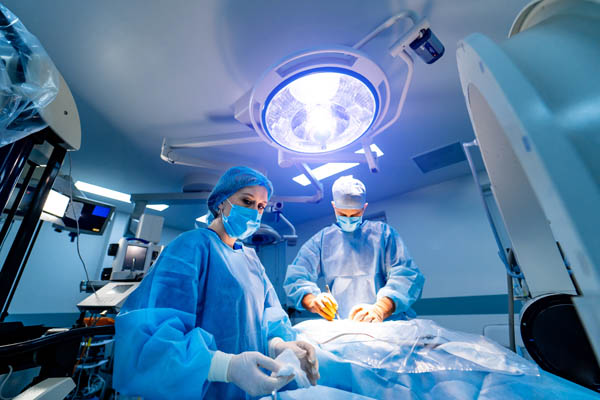
Neurosurgery deals with the diagnosis and surgical intervention of disorders affecting the central and peripheral nervous system. Neurosurgeons receive training on treating several types of neurological diseases or disorders, including degenerative spine disease, traumatic brain injury, congenital anomalies, brain tumors, stroke, and infections of the spine or brain.
Important facts about neurosurgery
The following are five important things to know about neurosurgery:
Neurosurgery is not just about brain surgery
Brain surgery is usually the first thing that comes to people’s minds when thinking about neurosurgery, but the field extends beyond that. Neurosurgery deals with interventions for conditions of the brain, spine, and peripheral nervous system, which comprises the nerves outside the central nervous system.
Neurosurgeons work on the nervous system, which starts from the brain and extends to every part of the body. In most cases, the pain people experience goes through the nervous system. Most neurosurgeons spend their time treating the spine, herniated discs, neck pain, back pain, degenerative diseases, stroke, and chronic pain. These conditions may occur in one area, but the symptoms may be felt in another. For instance, carpal tunnel syndrome may cause spinal disc issues in the neck.
An appointment with the neurosurgeon may not always mean surgery
Yes, neurosurgeons perform surgical procedures, but they also provide the best suggestions to ensure optimal medical results. Sometimes, they may recommend nonsurgical alternatives such as physical therapy and pain management (with anti-inflammatory drugs) for back pain instead of surgery. While most people associate complex surgeries with neurosurgeons, the chances are that they will recommend the nonsurgical or conservative options first. However, if the patient’s situation has gone beyond non-invasive procedures and surgery is required, the neurosurgeon will perform the procedure.
Minimally invasive techniques can produce incredible results
When a patient needs to undergo surgery, neurosurgeons will usually opt for minimally invasive techniques if possible. With unique tools, small incisions, and advanced imaging techniques, the doctor can access and treat specific areas of the neck, spine, and brain, with little or no disruption to the nearby tissues. This results in less tissue damage, less pain, and faster recovery times.
It is important to choose the right surgeon
To get the best outcome, it is important to choose the best neurosurgeon for the procedure. Confusion often arises on whether to consult a neurosurgeon or an orthopedic surgeon. Although they treat most of the areas, orthopedic surgeons specialize in muscles, bones, joints and connective tissues. Neurosurgeons handle more complex cases, especially those related to nerve damage. A neurosurgeon should be the first point when it comes to the central nervous system.
Pay attention to the warning signs
Patients need to watch out for the symptoms and get proper care as soon as possible to stop neurological damage and maintain good health. Some of the signs that might indicate the need for a neurosurgery consultation include recurrent headaches, dizziness, blurred vision, and persistent neck and back pain.
In conclusion
If you need to learn more about neurosurgery, book an appointment with the doctor today. Getting proper information in advance can be a lifesaver, especially during emergencies.
Get more information here: https://www.brainandspineni.com or call Brain and Spine Neuroscience Institute at (813) 751-2029
Check out what others are saying about our services on Yelp: Neurosurgery in Palm Harbor, FL.
Related Posts
After herniated disc surgery, proper follow-up care guides healing and reduces setbacks. Clear instructions help protect the spine, lower inflammation, and support the return to daily activities. Because herniated disc surgery addresses compressed nerves and damaged disc tissue, the recovery plan focuses on protecting the surgical area while rebuilding strength. Consistent communication with the care…
A cerebral hemorrhage occurs when a blood vessel ruptures within the brain, leading to bleeding that damages surrounding tissue. This medical emergency is a form of stroke that requires immediate attention to prevent severe complications or long-term neurological effects. By understanding the causes and risk factors for cerebral hemorrhage, you can identify if you or…
A stroke treatment center acts fast when a neurological emergency strikes, delivering critical care when timing matters most. These specialized teams move quickly, utilizing advanced diagnostics, efficient procedures, and coordinated support to manage even the most complex stroke cases effectively. Through quality care, patients and their loved ones can find a clearer path to recovery…
Neurostimulation offers a targeted way to manage symptoms from certain neurological disorders by sending gentle signals to precise areas of the nervous system. With careful planning, neurostimulation can reduce tremors, limit seizures, alleviate chronic pain, and enhance daily function without requiring major incisions.Neurostimulation uses a small, implantable system or an external device to deliver controlled…