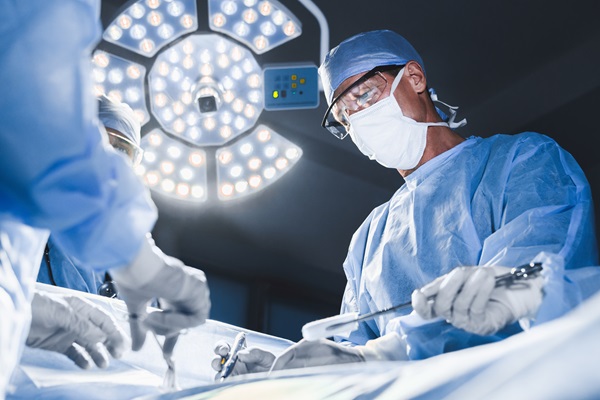
The Journal of Neurosurgery states that about 12.8 million people worldwide require neurosurgery treatments yearly. The term "neurosurgery" refers to surgical treatments performed on the central nervous system, which consists of the spinal column, spine, and brain.
These procedures might be recommended to treat various issues like herniated discs, spinal cord disorders, and nerve pain. A doctor who specializes in diagnosing and surgically treating issues that affect the central nervous system is called a neurosurgeon.
The most common neurosurgery treatments
A neurosurgeon might recommend a wide range of treatments based on a patient's specific symptoms. Some of the more commonly performed treatments in neurosurgery include:
1. Lumbar puncture
Commonly known as a spinal tap, the lumbar puncture is one of the most straightforward neurosurgical procedures. It is performed to diagnose issues that affect the central nervous system, like meningitis, brain or spinal cancer, and leukemia.
The procedure involves inserting a needle into a patient's spinal canal to siphon off cerebrospinal fluid. This fluid surrounds the brain and spine and protects them from injuries. Some of the reasons a neurosurgeon might perform a lumbar puncture include:
- To check for disease, inflammation, or infections
- To inject spinal anesthetics or other medication
- To measure the pressure of a patient's cerebrospinal fluid
- To inject radioactive substances or dye into the cerebrospinal fluid to observe its flow
2. Anterior cervical discectomy
This common neurosurgical procedure addresses herniated discs, a leading cause of arm or neck pain. During the procedure, the neurosurgeon goes through the neck's posterior to extract the herniated disc and fuse surrounding discs. As complicated as this procedure might sound, it is sometimes performed as an outpatient treatment.
3. Craniotomy
A craniotomy involves removing the top area of the skull to reach the brain. It is typically performed to address the damage caused by health issues like a stroke or traumatic head injury. Removing the top part of the skull allows the brain to swell without being obstructed by the skull. The procedure also gives surgeons access to the brain so they can operate on it. For example, a craniotomy is performed if a neurosurgeon needs to remove a tumor from a patient's brain.
4. Chiari decompression
This common neurosurgical procedure is used to address the Arnold-Chiari malformation. This condition leads to a loss of balance due to a malformation in the region of the brain that regulates balance. The Chiari decompression involves removing a bone in the back of the skull.
5. Laminectomy
Laminectomies are performed to address severe back pain. The procedure involves making tiny incisions along the spine and removing part or all of a vertebra. Doing this often corrects issues related to nerve and spinal cord pain. Laminectomies are typically a last-resort treatment for patients with debilitating back pain after all other options have failed.
You're in good hands with us
Dealing with a health issue that affects your central nervous system? You might need a neurosurgeon. Give us a call or stop by our Palm Harbor clinic to set up an appointment.
Request an appointment here: https://www.brainandspineni.com or call Brain and Spine Neuroscience Institute at (813) 751-2029 for an appointment in our Palm Harbor office.
Check out what others are saying about our services on Yelp: Neurosurgery in Palm Harbor, FL.
Related Posts
Aftercare for herniated disc surgery can vary from patient to patient, depending on the procedure, incision, pain level, and patient participation. While rest is crucial for recovery, there are also methods and techniques a patient can complete to enhance and even speed up the recovery process. By monitoring the status of the incision site, completing…
Neurostimulation introduces a highly advanced option for those living with chronic pain or debilitating neurological symptoms that resist standard management. This innovative approach relies on gentle, controlled electrical impulses to alter the way nerves transmit distress signals to the brain. By shifting the focus toward targeted neural pathways, this method helps restore comfort and mobility…
A cerebral hemorrhage is a serious medical crisis that requires immediate medical attention. This condition involves a ruptured blood vessel that leaks into the brain. Recognizing the common signs and symptoms can make a major difference in how fast you or a loved one gets the care you need to recover from this health event.The…
Spine tumor treatment begins with a highly detailed map of the back, as the spinal column protects the main pathway for every signal the brain sends to the body. A neurosurgeon who ensures every procedure remains as accurate as possible while keeping the patient safe. Every step of the process focuses on relieving pain and…