Common Types of Neurosurgery
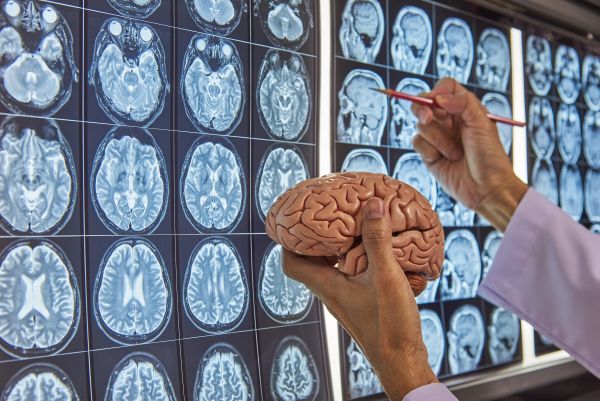
Wondering if neurosurgery is a necessary treatment option for you or someone you care about? Also known as neurological surgery, neurosurgery is specifically focused on the prevention, diagnosis, surgical treatment and recovery of nerve system problems. Ready to learn more?
About neurosurgery
Learning about the common types of neurosurgery is essential for neurological patients. Each option has benefits and risks, and understanding both of these is necessary because this allows patients to make decisions that are right for them. The fact that there are different branches of neurosurgery means that patients should find out the surgical options that are available to treat their nervous system-related problem, e.g., brain disorder, spinal disorder, etc.
Examples of neurosurgeries that are now available
The list below includes common types of neurosurgeries that neurosurgeons are performing nowadays.
Craniotomy
A craniotomy is a neurosurgical procedure that requires a neurosurgeon to surgically remove a part of the skull in order to gain access to the brain. Once the procedure has been performed, the part of the skull that is removed is returned to its original position to protect the brain once again. This procedure is commonly performed in order to treat brain tumors, skull fractures, aneurysms, hematomas and infections and address various levels of swelling within the brain.
Ventricular shunt
A ventricular shunt is a procedure that is performed with the goal of relieving any pressure built up in the brain. The shunt is surgically implanted in a way that allows the excessive buildup of fluid causing the pressure to be released, making this a common and necessary procedure. A few reasons that a patient would need to undergo this type of neurosurgery is because too much fluid is being produced, because one’s blood vessels are not working properly and because there is a blockage in the way that prevents the fluids from properly flowing.
Minimally invasive spine surgery
According to the American Association of Neurological Surgeons, the goal of minimally invasive spine surgery is to stabilize the vertebral bones and spinal joints and/or relieve pressure being applied to the spinal nerves. This stabilization is often necessary for patients who have been diagnosed with a bone spur, a herniated disc, a spinal tumor, scoliosis and overall spinal instability. Minimally invasive treatment is often preferred because it is less invasive compared to regular surgery, allowing patients a faster and safer treatment option.
Is neurosurgery the right option for you?
There are many different types of neurosurgery options available, one of which can be used to treat your neurological condition. To learn more, making a consultation appointment is the next step.
Are you considering neurosurgery in the Palm Harbor area? Get more information at https://www.brainandspineni.com.
Check out what others are saying about our services on Google: Read our Google Reviews.
Related Posts
Stem cell treatment has attracted attention as researchers explore new ways to address neurological disorders that damage nerve cells, disrupt communication within the nervous system, or reduce function. Conditions such as Parkinson’s disease, multiple sclerosis, stroke, and spinal cord injuries can create lasting challenges, making emerging therapies especially interesting to patients and families. However, the…
Spinal cord tumor symptoms often develop gradually, making early recognition important for timely diagnosis and treatment. Although many cases of back or neck pain have unrelated causes, people should never ignore persistent neurological symptoms. Our neurosurgeon can carefully evaluate whether your symptoms stem from a tumor or another condition that is affecting the spinal cord…
Aftercare for herniated disc surgery can vary from patient to patient, depending on the procedure, incision, pain level, and patient participation. While rest is crucial for recovery, there are also methods and techniques a patient can complete to enhance and even speed up the recovery process. By monitoring the status of the incision site, completing…
Neurostimulation introduces a highly advanced option for those living with chronic pain or debilitating neurological symptoms that resist standard management. This innovative approach relies on gentle, controlled electrical impulses to alter the way nerves transmit distress signals to the brain. By shifting the focus toward targeted neural pathways, this method helps restore comfort and mobility…