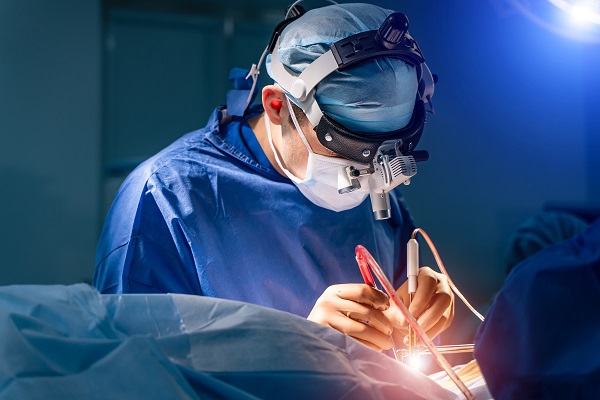
Doctors who specialize in neurosurgery diagnose and surgically treat conditions related to the central and peripheral nervous system. This most commonly includes treating concerns related to the brain and spine. This review discusses common neurosurgery procedures and when each type may be recommended by a neurosurgeon.
What neurosurgery procedures are the most common?
There is a range of procedures a neurosurgeon may recommend. However, some of the more common ones include anterior cervical discectomy, epilepsy neurosurgery, Chiari decompression, craniotomy, lumbar puncture, and laminectomy. The following is a closer look at the purpose and process for each procedure.
Anterior cervical discectomy
Anterior cervical discectomy is a common neurosurgery procedure that most notably treats herniated discs in the neck. The goal of the procedure is to remove the herniated disc to provide pain relief. This procedure is often recommended by neurosurgeons when pain cannot be managed through non-surgical treatments.
Epilepsy neurosurgery
Epilepsy neurosurgery is for individuals with epilepsy. Specifically, this procedure is for those who have severe epileptic seizures and have not found relief through non-surgical treatments. Most often, neurologists recommend medications to deal with epilepsy and related seizures. If this does not work, however, epilepsy neurosurgery may be needed, which involves removing or modifying the part of the brain that is producing severe and potentially fatal seizures.
Chiari decompression
Chiari decompression is used to treat Arnold-Chiari malformation. This condition produces an inability to properly balance. Chiari decompression involves removing a bone in the back of the skull to widen the foramen magnum. This, in many cases, helps improve balance and coordination.
Craniotomy
A craniotomy is a common neurosurgery procedure that involves removing a part of the skull bone to allow for direct access to the brain. This is used to treat a variety of neurological concerns, including brain strokes. It is a potentially life-saving procedure in many cases. The removed portion of the skull is eventually replaced to minimize the visible long-term impact of the procedure.
Lumbar puncture
A lumbar puncture, which is also called a spinal tap, is one of the simpler (yet still relatively complex) neurosurgery procedures. It is a diagnostic procedure that is performed to determine if the patient has signs of any conditions related to the central nervous system. It is overall a safe surgery when performed by an experienced neurologist, and the risks are minimal.
Additional neurosurgery procedures
Neurosurgeons can perform a range of other procedures, including but not limited to a ventriculostomy, microdiscectomy, spinal fusion, laminectomy, and ventriculoperitoneal shunt. The specific procedures vary for each neurosurgeon, so it is important to ensure the one you choose offers the specific surgery that you need.
Contact our neurosurgery team for more information
If you have been referred to a neurosurgeon or have symptoms that indicate a potential need for neurosurgery, then get in touch with our team today. On your initial call, we can answer your questions and schedule a time for you to come and visit with our neurosurgeon for diagnostics and to discuss treatment options.
Get more information about Brain and Spine Neuroscience Institute in Palm Harbor at https://www.brainandspineni.com.
Check out what others are saying about our services on Google: Read our Google Reviews.
Related Posts
Aftercare for herniated disc surgery can vary from patient to patient, depending on the procedure, incision, pain level, and patient participation. While rest is crucial for recovery, there are also methods and techniques a patient can complete to enhance and even speed up the recovery process. By monitoring the status of the incision site, completing…
Neurostimulation introduces a highly advanced option for those living with chronic pain or debilitating neurological symptoms that resist standard management. This innovative approach relies on gentle, controlled electrical impulses to alter the way nerves transmit distress signals to the brain. By shifting the focus toward targeted neural pathways, this method helps restore comfort and mobility…
A cerebral hemorrhage is a serious medical crisis that requires immediate medical attention. This condition involves a ruptured blood vessel that leaks into the brain. Recognizing the common signs and symptoms can make a major difference in how fast you or a loved one gets the care you need to recover from this health event.The…
Spine tumor treatment begins with a highly detailed map of the back, as the spinal column protects the main pathway for every signal the brain sends to the body. A neurosurgeon who ensures every procedure remains as accurate as possible while keeping the patient safe. Every step of the process focuses on relieving pain and…