Aftercare Guidelines Following Herniated Disc Surgery
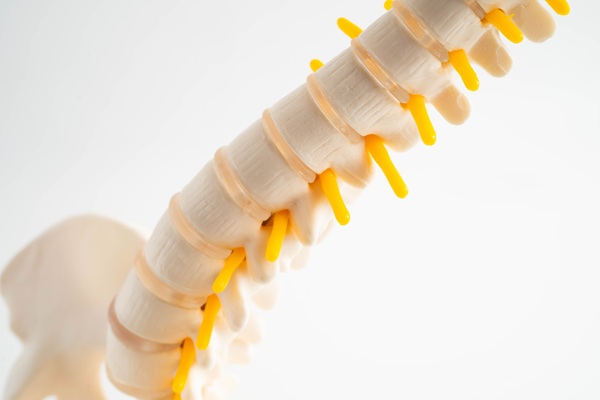
Aftercare for herniated disc surgery can vary from patient to patient, depending on the procedure, incision, pain level, and patient participation. While rest is crucial for recovery, there are also methods and techniques a patient can complete to enhance and even speed up the recovery process. By monitoring the status of the incision site, completing various exercises, managing pain, and attending follow-up visits, patients can work with the neurosurgeon and medical team to enhance their recovery.
Monitoring the incision site
The incision area needs consistent attention during the early healing period. Patients often receive specific guidance on keeping the area clean and dry, changing dressings, and showering, depending on the type of closure used. Loose clothing can also help prevent rubbing or irritation around the incision while the skin heals.
Changes around the incision may require prompt attention from the surgical office. Increased redness, swelling, warmth, drainage, bleeding, or separation along the incision line can indicate a concern that needs evaluation. Fever, chills, or foul-smelling drainage may also signal an infection or another complication.
Adjusting to movement after surgery
Gentle movement often becomes part of recovery soon after herniated disc surgery, depending on the procedure and the surgeon’s guidance. Short walks may help reduce stiffness, support circulation, and gradually rebuild endurance without placing sudden strain on the back. The pace and distance of these walks usually increase as comfort and healing allow.
Patients often find that controlled movements make daily activities more manageable during the first stages of recovery. Moving from bed to a standing position may require extra care to limit twisting through the spine. Long periods of sitting may increase discomfort, so regular position changes can support greater comfort throughout the day.
Managing daily responsibilities
Take pain medicine exactly as directed, including any instructions about food, driving, alcohol, or other medicines. Do not add over-the-counter products, supplements, or anti-inflammatory medicines without checking with the surgical team. Some medicines may cause drowsiness or constipation, so plan meals, fluids, and light movement around the prescribed schedule.
Ask a family member or friend to help with meals, laundry, pet care, and lifting during the early recovery period. Prepare commonly used items at waist height to reduce repeated reaching. Physical therapy may begin when the surgeon determines that the incision and spine are ready for guided strengthening and flexibility work. Herniated disc surgery aftercare should follow the plan for that specific procedure rather than an online timeline.
Attending follow-up visits
Follow-up appointments allow the neurosurgeon to examine the incision, review symptoms, adjust activity limits, and discuss a return to work or exercise. Report new weakness, worsening numbness, severe pain, changes in bladder or bowel control, or difficulty walking right away. Herniated disc surgery can relieve pressure on irritated nerves, but nerve healing may take time and warrant close monitoring.
Get the aftercare you need
New weakness, worsening numbness, severe pain, difficulty walking, or changes in bladder or bowel control require immediate medical attention. Herniated disc surgery can relieve pressure on irritated nerves, but nerve healing may take time and require ongoing monitoring. For more information or to schedule an appointment, call our office
Request an appointment here: https://www.brainandspineni.com or call Brain and Spine Neuroscience Institute at (813) 751-2029 for an appointment in our Palm Harbor office.
Check out what others are saying about our services on Yelp: Herniated Disc Surgery in Palm Harbor, FL.
Related Posts
Spinal cord tumor symptoms often develop gradually, making early recognition important for timely diagnosis and treatment. Although many cases of back or neck pain have unrelated causes, people should never ignore persistent neurological symptoms. Our neurosurgeon can carefully evaluate whether your symptoms stem from a tumor or another condition that is affecting the spinal cord…
Neurostimulation introduces a highly advanced option for those living with chronic pain or debilitating neurological symptoms that resist standard management. This innovative approach relies on gentle, controlled electrical impulses to alter the way nerves transmit distress signals to the brain. By shifting the focus toward targeted neural pathways, this method helps restore comfort and mobility…
A cerebral hemorrhage is a serious medical crisis that requires immediate medical attention. This condition involves a ruptured blood vessel that leaks into the brain. Recognizing the common signs and symptoms can make a major difference in how fast you or a loved one gets the care you need to recover from this health event.The…
Spine tumor treatment begins with a highly detailed map of the back, as the spinal column protects the main pathway for every signal the brain sends to the body. A neurosurgeon who ensures every procedure remains as accurate as possible while keeping the patient safe. Every step of the process focuses on relieving pain and…