A Neurosurgeon Discusses Brain Aneurysm
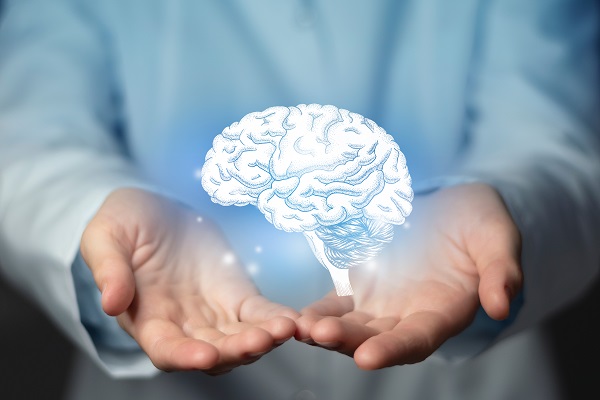
Looking for beneficial brain aneurysm information? Contacting an experienced neurosurgeon allows those in need to fully understand everything there is to know about this serious medical problem. The fact that a ruptured aneurysm can be life-threatening makes seeking professional help crucial.
What exactly is a brain aneurysm?
Understanding what a brain aneurysm is the first thing anyone diagnosed needs to realize. According to the American Association of Neurological Surgeons, a cerebral aneurysm is an abnormal focal dilation of an artery in the brain that results from a weakening of the inner muscular layer (the intima) of a blood vessel wall. These thinning walls have many causes, including high blood pressure, blood flow problems, heredity and trauma.
What to know about brain aneurysms
While being diagnosed with a brain aneurysm is not a very common diagnosis, it can be a serious and even deadly medical problem, requiring people to understand more about what it is and how it can be treated. The information below consists of what people need to know when they believe they or someone else they know may be living with a brain aneurysm.
Diagnosing
Anyone who experiences one or more of the warning signs associated with an aneurysm in the brain may be living with a brain aneurysm. Common warning signs consist of ongoing and/or severe headaches, experiencing pain located behind one or both eyes, blurred vision and double vision. While many people will experience one or more of these signs, some aneurysms will not present any symptoms, making regular screenings is essential. In order to be on the side of caution, making a consultation appointment for a full evaluation is necessary.
Types
There are two main types of brain aneurysms: saccular cerebral and fusiform. Saccular cerebral aneurysms are also known as berry aneurysms because they resemble a small berry when affecting a blood vessel wall. This bulge occurs only on one side of the wall and is less commonly diagnosed in patients than the fusiform type. A fusiform aneurysm is a more common aneurysm and differs from the saccular type because it affects a blood vessel wall by widening it on both sides vs. just the one side.
Treatment
Treating an aneurysm depends on the type, size and shape of the aneurysm. Current treatments include undergoing medical therapy, surgical clipping or an endovascular coiling procedure. A comprehensive approach is required to create a well-thought-out plan, as this will include all the details a patient needs to know about the treatment they need to address their brain aneurysm.
The next step
Neurosurgeons are the go-to medical professionals for both diagnosing and treating brain aneurysms. There are different types of aneurysms, making it essential for you to get a proper diagnosis. Making a consultation appointment is the next necessary step.
Request an appointment here: https://www.brainandspineni.com or call Brain and Spine Neuroscience Institute at (813) 751-2029 for an appointment in our Palm Harbor office.
Check out what others are saying about our services on Yelp: Brain Aneurysm in Palm Harbor, FL.
Related Posts
After herniated disc surgery, proper follow-up care guides healing and reduces setbacks. Clear instructions help protect the spine, lower inflammation, and support the return to daily activities. Because herniated disc surgery addresses compressed nerves and damaged disc tissue, the recovery plan focuses on protecting the surgical area while rebuilding strength. Consistent communication with the care…
A cerebral hemorrhage occurs when a blood vessel ruptures within the brain, leading to bleeding that damages surrounding tissue. This medical emergency is a form of stroke that requires immediate attention to prevent severe complications or long-term neurological effects. By understanding the causes and risk factors for cerebral hemorrhage, you can identify if you or…
A stroke treatment center acts fast when a neurological emergency strikes, delivering critical care when timing matters most. These specialized teams move quickly, utilizing advanced diagnostics, efficient procedures, and coordinated support to manage even the most complex stroke cases effectively. Through quality care, patients and their loved ones can find a clearer path to recovery…
Neurostimulation offers a targeted way to manage symptoms from certain neurological disorders by sending gentle signals to precise areas of the nervous system. With careful planning, neurostimulation can reduce tremors, limit seizures, alleviate chronic pain, and enhance daily function without requiring major incisions.Neurostimulation uses a small, implantable system or an external device to deliver controlled…